10 Essential Tips for Choosing the Right Crushing Equipment
Choosing the right crushing equipment is crucial for efficiency in various industries. With various options available, making the best decision can feel overwhelming. This equipment directly impacts productivity and operational costs.
Understanding the key factors is essential. Different materials require specific types of crushing equipment. Experience in the field reveals that a one-size-fits-all approach often leads to suboptimal results. Each project presents unique challenges that must be addressed thoughtfully.
The landscape of crushing equipment is constantly evolving. New technologies and innovations emerge regularly. Evaluating these changes can be daunting. However, doing so is necessary for informed decisions. Trusting expert opinions and reliable sources can guide you in this process, ideally leading to effective solutions that meet your specific needs in crushing operations.
Understanding Different Types of Crushing Equipment and Their Uses
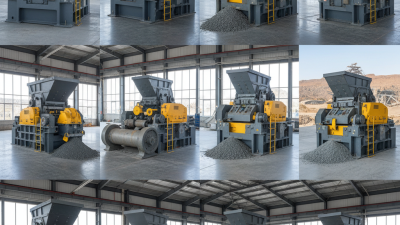
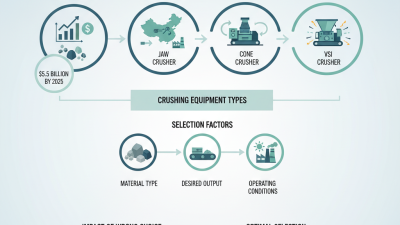
When choosing crushing equipment, understanding the different types available is crucial. Each type has its own specific uses and applications. For instance, jaw crushers are ideal for primary crushing. They break large rocks into manageable pieces. Cone crushers are excellent for secondary crushing, providing finer material. Impact crushers are versatile, suitable for both primary and secondary stages.
When selecting equipment, consider its intended use. The material's hardness, size, and moisture content will influence your choice. Additionally, assess the required production capacity. Some machines are designed for high-output environments while others are more suited for smaller operations.
Tip: Always prioritize equipment reliability. Check the maintenance requirements before making a decision. A machine may look good on paper, but if it demands significant downtime for repairs, it can offset production gains. Another tip is to consider the efficiency of the crushing process. Aim for equipment that optimizes energy use while maximizing output. Balancing these factors will lead to better long-term results.
Evaluating Key Factors for Selecting Crushing Equipment Effectively
Choosing the right crushing equipment requires careful evaluation of key factors. A recent industry report highlighted that nearly 70% of operational inefficiencies arise from inadequate equipment selection. Understanding these factors can lead to significant improvements in productivity and operational costs.
One essential aspect is the material type. Each material, from hard rocks to soft aggregates, needs specific crushing techniques. For instance, the size and hardness of the material affect the choice of crushers. The right fit can enhance the lifespan of the equipment by up to 40%, according to industry studies. Moreover, capacity is another crucial factor. Equipment must handle the required throughput without excessive wear. Overloading can lead to malfunctions and increased maintenance costs.
Training is vital but often overlooked. Properly trained operators can maximize equipment efficiency. However, only 45% of companies provide adequate training, resulting in wasted resources. Ensuring that employees are well-informed about equipment capabilities directly influences performance. Ultimately, taking the time to evaluate these critical factors can lead to smarter choices in crushing equipment selection.
Assessing the Importance of Material Compatibility in Crushing Choices
When selecting crushing equipment, material compatibility is crucial. Different materials have unique properties that affect their behavior during the crushing process. Understanding these properties can enhance efficiency and reduce wear on machinery. For instance, harder materials may require robust equipment designed to withstand increased stress.
Tip: Always analyze the physical and chemical properties of the material. This insight helps in choosing appropriate equipment. Overlooking material characteristics can lead to inappropriate machinery, causing performance issues.
Another aspect to consider is the size of the material. Smaller materials might not require heavy-duty machinery. Conversely, larger materials typically need more powerful crushers. This mismatched selection can lead to inefficiencies and unexpected downtime.
Tip: Always conduct a thorough assessment. Taking the time to evaluate size and hardness saves resources in the long run. Remember,
equipment that doesn’t fit the material type can be a costly mistake.
Analyzing Cost and Maintenance Considerations for Crushing Equipment
When selecting crushing equipment, cost and maintenance play a critical role. Understanding the total cost of ownership is essential. This includes not only the purchase price but also ongoing operational expenses. Regular maintenance impacts long-term efficiency. Neglecting maintenance can lead to higher repair costs.
Tip 1: Consider the lifespan of the equipment. Equipment designed for longevity may have a higher initial cost but can save money over time. Ensure you evaluate the warranty terms carefully. A good warranty can reduce unexpected costs significantly.
Tip 2: Look into the availability of spare parts. If parts are difficult to find, you may face long downtimes. Frequent repairs can disrupt production schedules. This can be frustrating and costly.
Evaluating maintenance requirements is equally important. Some models require specialized knowledge for repairs. They can be challenging for general technicians. It's wise to consider the skill level of your maintenance team. This may influence your choice significantly. An inefficient machine can lead to lost revenue.
Cost and Maintenance Analysis of Crushing Equipment
Researching Brand Reputation and User Reviews for Equipment Selection
When selecting crushing equipment, brand reputation and user reviews play a crucial role. Researching the companies behind the equipment gives insights into their reliability. A well-established brand often reflects quality and consistency. You should seek information from various sources. Company websites, industry forums, and publications can provide valuable details. However, always verify the credibility of the sources you consult.
User reviews are equally important. They reveal firsthand experiences and can highlight potential issues. Pay attention to patterns in feedback. If multiple users report similar problems, those issues may deserve further investigation. Use both positive and negative reviews to form a balanced view. Keep in mind that not every reviewer will have the same expertise or needs. Reflect on how their insights apply to your specific requirements.
Engaging in discussions with industry professionals can enhance your understanding. Attend trade shows or networking events. Conversations with other users can provide deeper insights into equipment performance. Ultimately, choosing the right equipment isn't just about numbers or specifications. It's about finding a solution that fits your unique operational context.
10 Essential Tips for Choosing the Right Crushing Equipment
| Tip Number |
Description |
Importance Level |
Recommended Action |
| 1 |
Research brands with a solid reputation in the industry. |
High |
Check online reviews and industry forums. |
| 2 |
Consider the type of material to be crushed. |
High |
Match equipment specifications with material properties. |
| 3 |
Evaluate the output capacity requirements. |
Medium |
Calculate daily production needs and peaks. |
| 4 |
Look for energy-efficient models to reduce costs. |
Medium |
Compare energy consumption ratings. |
| 5 |
Check the availability of parts and service support. |
High |
Ensure local support for maintenance. |
| 6 |
Assess ease of operation and complexity. |
Medium |
Select models with user-friendly controls. |
| 7 |
Investigate warranty and guarantees offered. |
High |
Review warranty terms thoroughly. |
| 8 |
Consider portability if needed. |
Low |
Evaluate if a stationary or mobile unit is best. |
| 9 |
Review industry compliance and safety standards. |
High |
Ensure equipment meets all regulations. |
| 10 |
Gather user feedback from current owners. |
High |
Contact users directly if possible. |