Choosing among the top Ultrafine Grinding Mill manufacturers worldwide requires more than comparing brochures. A polished machine can still disappoint when the feed is wet, abrasive, or inconsistent. Real performance depends on mineral hardness, moisture, required particle size, production volume, and classifier control. A reliable evaluation must connect laboratory evidence with plant experience.
Professor Alban J. Lynch, a respected comminution specialist, stated, “Comminution is the largest consumer of energy in the minerals industry.” His observation remains highly relevant. An efficient Ultrafine Grinding Mill should produce a narrow particle distribution without excessive heat, vibration, or power consumption. It should also protect operators and reduce avoidable maintenance.
Look beyond impressive capacity figures. Ask manufacturers for test results using comparable materials. Examine the mill chamber, grinding media, separator, wear parts, and dust-control system. Site references can reveal details that technical sheets omit, such as noise near the discharge point or weekly liner replacement. Small details matter.
Not every global supplier fits every project. Some excel in minerals. Others perform better with calcium carbonate, pigments, ceramics, or chemical powders. This guide compares leading manufacturers through engineering capability, product consistency, service coverage, customization, and lifecycle cost. The ranking is not absolute. Local support, installation quality, and honest process data can change the outcome.
A careful buyer should remain skeptical. The cheapest quote may become expensive after downtime, energy losses, and replacement parts. The strongest manufacturer is not always the largest. It is the partner that proves performance under realistic conditions and admits where its equipment has limits.
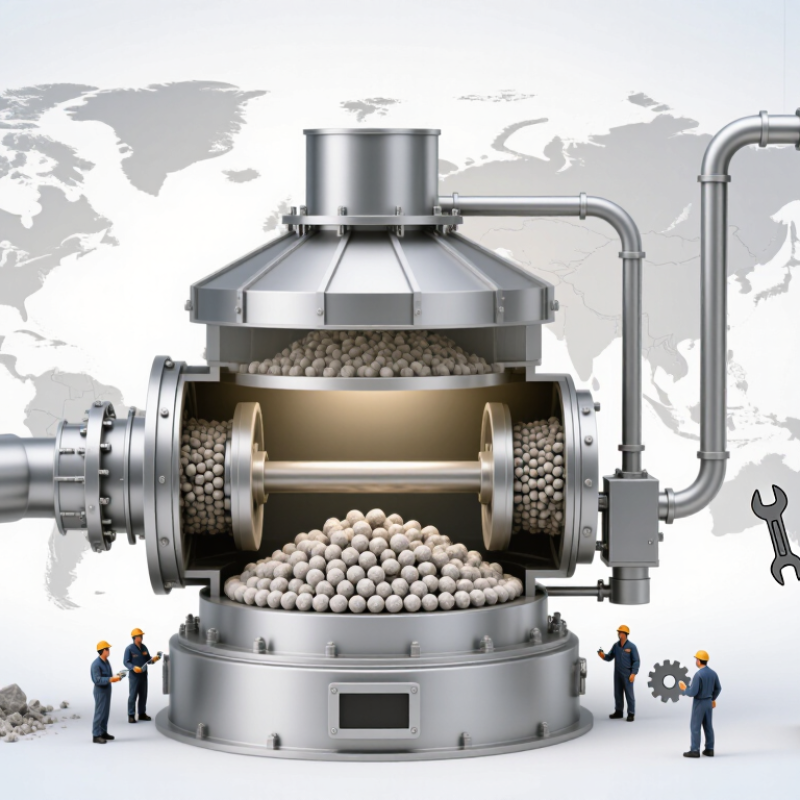
An ultrafine grinding mill is industrial equipment that reduces solid materials into extremely small particles, often below 10 microns. It uses impact, compression, shear, or a combination of these forces. The material enters a grinding chamber, where high-speed components break down larger particles. An air classifier then separates fine powder from heavier particles. Coarser material returns for further grinding.
This equipment supports mineral processing, ceramics, chemicals, pigments, and selected construction materials. The final particle size depends on feed hardness, moisture, airflow, rotor speed, and classifier settings. A dry, brittle mineral may grind efficiently, while damp feed can cause blockages and unstable output. Small details matter. Operators should check vibration, bearing temperature, power consumption, and product fineness during production.
Selecting an ultrafine grinding mill requires more than reading a maximum capacity figure. A controlled material test can reveal wear rates, energy demand, and achievable fineness. It is easy to overestimate performance when laboratory feed is unusually dry or uniform. Real production feed is rarely perfect. Maintenance access, dust control, spare parts, and operator training also affect reliability. In practice, a slightly slower mill may deliver better consistency than a faster machine operating near its limits. Performance should be verified with particle-size analysis, not visual inspection alone.
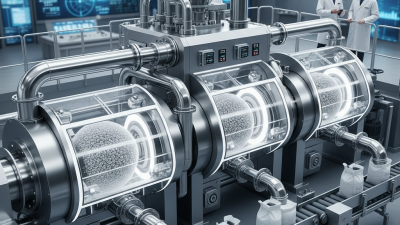
Ultrafine grinding mills reduce mineral particles to a few microns by combining impact, compression, and shear. The material usually enters after primary crushing. Inside the grinding chamber, rotating parts create intense turbulence and repeated collisions. Air does the carrying. This airflow moves fine particles toward a classifier while larger particles return for further grinding.
A classifier acts like a size gate. Its rotor speed, air volume, and feed rate strongly influence the final powder. Faster rotor speeds generally produce finer particles, but they can increase energy use and heat. Operators monitor motor load, outlet temperature, vibration, and product samples during production. These details reveal unstable feeding or worn internal parts before quality drops.
Moisture also matters. Damp feed may stick to surfaces, reduce airflow, and create uneven discharge. In practice, even a well-designed mill can perform poorly with inconsistent feed preparation. That part is easy to underestimate. Careful calibration is necessary because laboratory results do not always match continuous operation. Maintenance teams inspect liners, grinding elements, seals, and classifier blades at planned intervals. Small wear can change particle distribution. The process looks simple from outside, yet mill performance depends on several connected adjustments.
Leading ultrafine grinding mill manufacturers worldwide focus on stable particle size, energy control, and dependable operation. Their equipment commonly processes minerals into powders below 45 microns. Some advanced systems can reach finer ranges, depending on material hardness and moisture.
Experienced manufacturers begin with material testing rather than standard machine selection. They examine feed size, bulk density, abrasiveness, and required output. A practical trial may reveal unexpected problems, such as powder buildup around the classifier or unstable airflow. Small details matter.
Reliable suppliers provide more than a mill. They offer wear-resistant grinding parts, calibrated classifiers, dust-control systems, and clear maintenance schedules. Engineers should check motor efficiency, bearing protection, noise levels, and access to replacement components. Local technical support also reduces long production delays.
A strong manufacturer shares test data, operating limits, and realistic capacity figures. Marketing claims can look impressive, but field conditions are rarely perfect. Temperature, humidity, and inconsistent feed materials may reduce output. Buyers should compare results from similar installations, not attractive laboratory numbers.
Safety remains essential during installation and operation. Proper guarding, filtration, electrical protection, and inspection procedures support responsible use. The best global manufacturers continue improving automation and process monitoring, yet their solutions still require skilled operators and regular review.
Top ultrafine grinding mill manufacturers focus on controlling particle size, heat, and energy use. Their equipment often combines high-speed impact, jet, or stirred-media grinding with dynamic air classification. This design helps produce powders below 10 microns for minerals, ceramics, pigments, and advanced materials.
A key technology is closed-loop classification. Sensors monitor airflow, pressure, temperature, and product fineness during operation. The classifier then separates qualified particles from coarse material and returns oversize particles for further grinding. Some systems use water cooling or chilled air to protect heat-sensitive powders. Wear-resistant liners and ceramic grinding media can reduce contamination, but they also increase maintenance costs.
Practical testing remains essential. A mill that performs well with dry limestone may struggle with a sticky or moisture-sensitive feed. Plant trials should measure throughput, power consumption, particle distribution, and cleaning time. Small errors matter. A poorly adjusted classifier can create too many fine particles and waste energy. Manufacturers with strong technical teams provide sample testing, process data, and clear maintenance schedules. However, published capacity figures may assume ideal feed conditions. Buyers should question those assumptions and request test results using their actual material. Even advanced automation cannot replace careful operator training and regular inspection.
The chart shows indicative product-fineness ranges commonly associated with key technologies offered by leading ultrafine grinding mill manufacturers. Actual results depend on material hardness, feed size, moisture, classifier settings, grinding media, and process configuration.
How to Select the Right Ultrafine Grinding Mill Manufacturer
Selecting an ultrafine grinding mill manufacturer starts with your material, not a sales brochure. Record its hardness, moisture, feed size, and target particle range. A supplier should explain how these factors affect mill performance. Ask for test results from similar minerals or chemical powders. Real data matters more than impressive capacity claims.
Request a laboratory trial before placing a large order. Watch the feed system, classifier, seals, and cooling arrangement during testing. Check whether the final powder reaches your required fineness consistently. Energy use also deserves attention. A mill producing fine powder may consume excessive power if its design is poorly matched.
My first mistake was comparing purchase prices only. Maintenance hours later became the larger expense.
Examine the manufacturer’s engineering experience and technical documentation. Look for clear drawings, safety procedures, material specifications, and measurable warranty terms. Ask how quickly replacement wear parts can arrive in your region.
Reliable support should include installation guidance, operator training, and troubleshooting records. Independent references can reveal details that polished presentations hide.
No supplier gets every estimate right. Be cautious when limitations are never discussed. A credible manufacturer will identify expected wear, noise, temperature changes, and possible production losses.
Compare at least three proposals using the same data sheet. Vague answers should slow your decision.