Top 10 Crushing Equipment You Should Know About?
Crushing equipment plays a crucial role in various industries, from mining to construction. Understanding the types and uses of these machines can enhance operations and efficiency. In the world of crushing equipment, it is vital to know which equipment suits specific needs. This awareness helps in making informed decisions.
The market offers a range of crushing equipment options. Each type has unique features and capabilities. It’s essential to choose wisely based on your project requirements. Factors to consider include material size, output capacity, and energy efficiency. Missteps can lead to costly errors.
Having reliable crushing equipment can create a significant competitive edge. However, proper usage and maintenance are just as important. Regular checks and updates ensure optimal performance. Evaluating the top options can guide you in selecting the right machinery for your tasks. Understanding these elements leads to success in your operations.
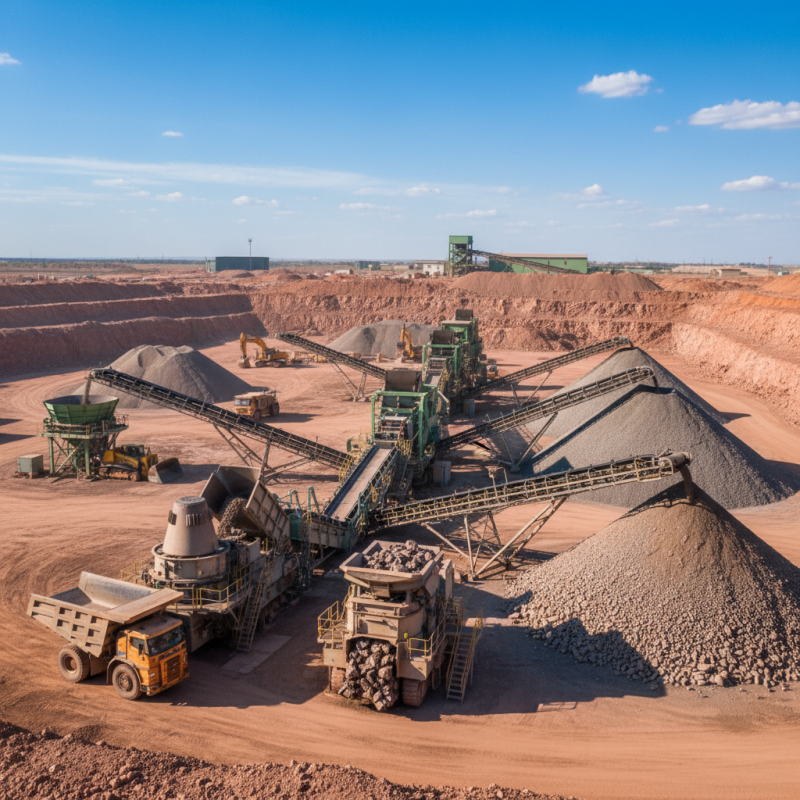
Overview of Crushing Equipment and Its Importance in Industry
Crushing equipment plays a crucial role in various industries, including mining, construction, and recycling. These machines reduce large materials into smaller, manageable pieces. According to a report by Allied Market Research, the global crushing equipment market was valued at approximately $4.4 billion in 2021. It is projected to grow at a CAGR of 6.8% from 2022 to 2030. This growth highlights the equipment’s importance in processing natural resources effectively.
The efficiency of crushing equipment impacts production rates and profitability. For instance, proper size reduction lowers transportation costs and improves material quality. A report from Research and Markets indicates that advancements in technology, like automated controls, enhance the reliability of these machines. However, not all equipment is suitable for every application. Operators must understand the specific demands of their projects. Miscalculations can lead to inefficiencies, increasing operational costs.
Moreover, the maintenance of crushing equipment is often overlooked. Regular inspections and part replacements are essential. Neglecting these tasks can result in unexpected breakdowns, disrupting production schedules. It is vital to create a robust maintenance plan. This enhances performance and extends the lifespan of the equipment while reducing long-term expenses.
Types of Crushing Equipment Used in Various Applications
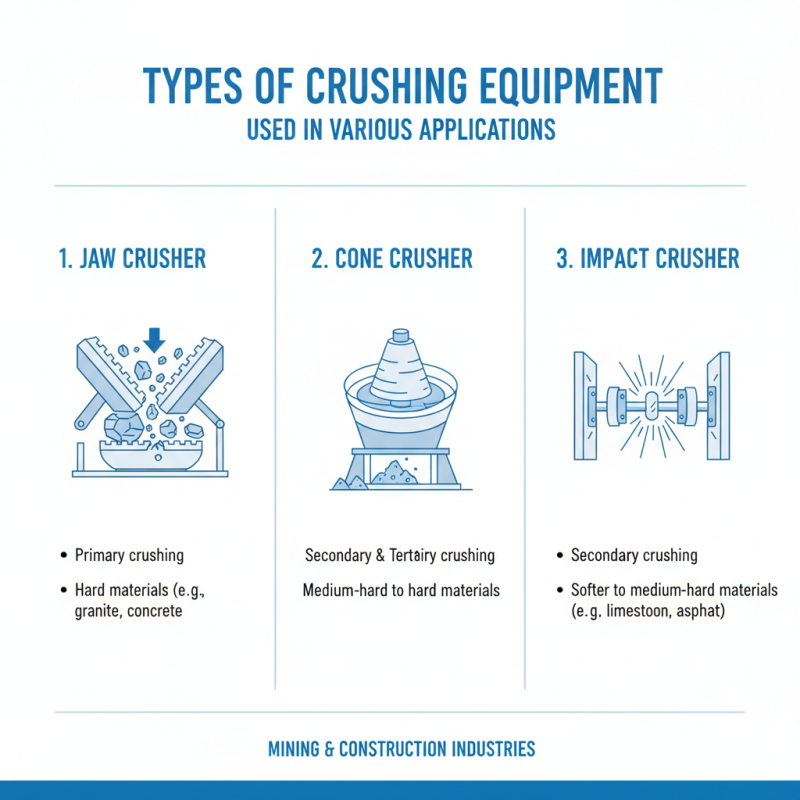
Crushing equipment plays a vital role in various industries, including mining and construction. Different types of crushing equipment are designed for specific applications. For instance, jaw crushers are often used for primary crushing of hard materials. Their design allows for efficient breaking of large rocks into smaller pieces.
Another type commonly used is the cone crusher. This machine excels in secondary crushing. It handles medium to hard materials effectively. Operators appreciate its versatility and reliability. Additionally, impact crushers are chosen for their speed and efficiency in processing softer materials. They are excellent for creating aggregates that are used in construction.
Each type of equipment has advantages and limitations. For instance, while jaw crushers are sturdy, they can be slower in processing than impact crushers. It’s essential for professionals to assess their specific needs. Not all machines are appropriate for every situation. Understanding the various types of crushing equipment ensures better decision-making. The right choice can lead to improved productivity and lower operational costs.
Key Features and Technologies in Modern Crushing Machines
Crushing equipment plays a vital role in mining and construction. Understanding the key features in modern machines can enhance efficiency. Many machines today utilize advanced technologies. These improvements result in higher crushing ratios and lower operational costs.
One significant feature is automation. Automated systems help monitor performance. This enables quick adjustments to maintain optimal productivity. Additionally, many machines now come with energy-efficient options. These innovations lower energy consumption, making operations more sustainable. However, reliance on technology can sometimes lead to oversights in maintenance.
Tips: Regular inspections are crucial. They can prevent unexpected breakdowns. Always review the machine’s operating manual for specific maintenance schedules. Another key aspect is the material used in construction. Strong, durable materials extend the machine's lifespan.
Indeed, new technologies can be overwhelming. Training staff thoroughly is essential. Without proper understanding, even the best machines can underperform. Focusing on staff education is just as important as the technology itself.
Top 10 Crushing Equipment: A Comparative Analysis
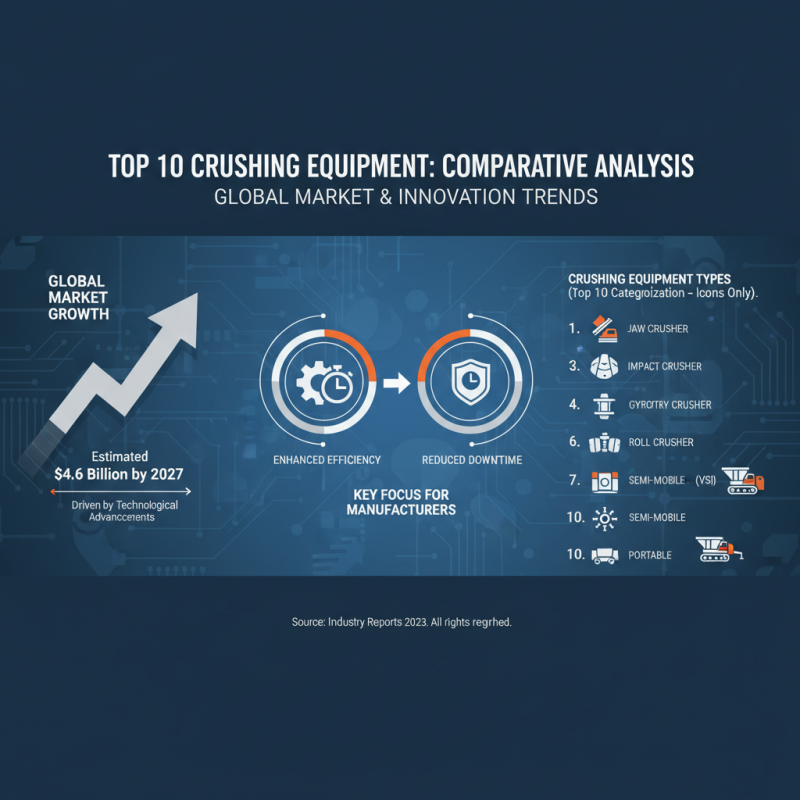
In the crushing equipment sector, understanding various options is crucial. The global market for crushing equipment is projected to reach $4.6 billion by 2027. Factors such as technological advancements drive this growth. Key players focus on enhancing efficiency and reducing downtime.
Analyzing the top equipment types reveals distinct features. For instance, jaw crushers are renowned for their ability to handle hard materials. In contrast, impact crushers excel in processing softer materials. A study from Global Industry Analysts indicates that jaw crushers account for about 32% of market share. However, equipment choice often depends on specific processing needs.
Safety and maintenance remain areas for improvement. Many operators report challenges in routine maintenance, which can lead to unexpected downtime. Regular check-ups and operator training can help mitigate these issues. Ultimately, balancing capability with reliability will remain a challenge for the crushing equipment industry.
Future Trends in Crushing Equipment Design and Innovation
The future of crushing equipment design is evolving rapidly. Innovations focus on improving efficiency and reducing environmental impact. Enhanced automation in crushing equipment streamlines operations. Smart technologies allow for remote monitoring and maintenance. These advancements lead to greater productivity and lower operational costs.
Sustainability is also a significant trend. Manufacturers are developing eco-friendly materials for equipment. This reduces the carbon footprint of machinery. Energy-efficient designs help minimize power consumption. However, these innovations come with challenges. Effective training for operators is essential to harness the benefits of new technologies.
Additionally, user feedback is crucial in shaping future designs. Many machines still have limitations in adaptability and performance. Companies must prioritize addressing these gaps. Continuous assessment and iteration can lead to breakthroughs that enhance reliability. As the industry evolves, collaboration between engineers and users will foster innovative solutions.