Top 5 Tips for Choosing the Best Primary Crusher?
Choosing the right primary crusher is crucial in mining and aggregate production. A well-selected crusher can boost efficiency, reduce costs, and enhance productivity. According to a report from the International Journal of Mineral Processing, selecting the proper crushing device can increase throughput by 20% or more.
Primary crushers serve as the first step in material processing. They break down large rocks into manageable sizes. Understanding your materials and operational needs is essential. For instance, factors like feed size, moisture content, and desired final product must be considered. Experts stress the importance of matching the crusher to the specific application for optimal results.
However, the decision is not straightforward. Equipment can be misaligned with project requirements. Often, factors such as maintenance costs and energy consumption are overlooked. A comprehensive evaluation is necessary. This ensures that the chosen primary crusher aligns with both short-term and long-term production goals.
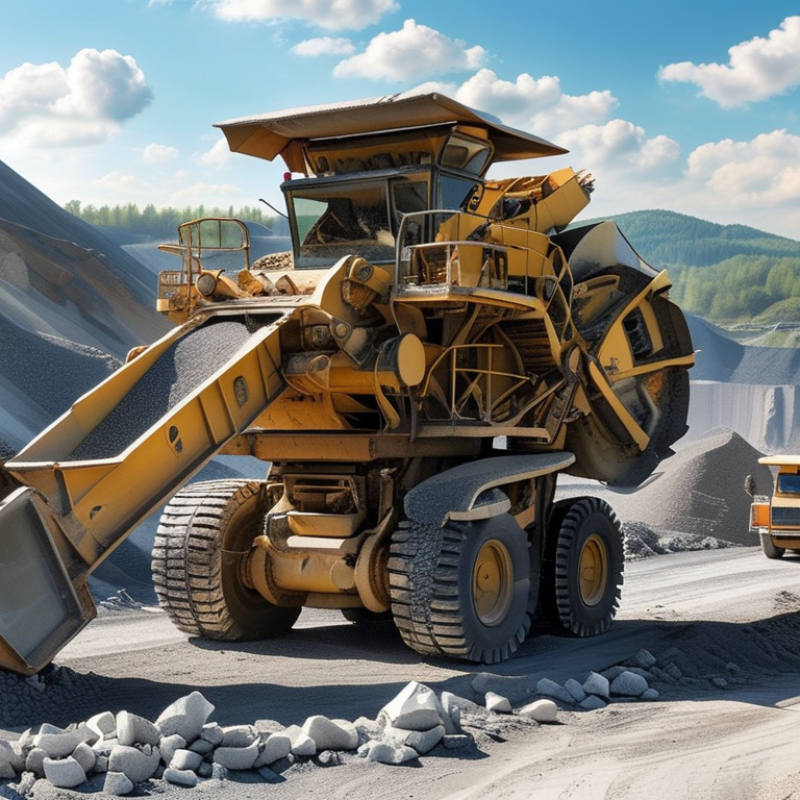
Understanding the Role of Primary Crushers in Mining and Aggregates
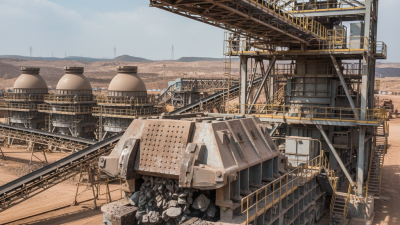
Primary crushers play a vital role in mining and aggregate production. They are the first stage of material reduction, impacting overall efficiency. A well-chosen primary crusher can optimize the entire processing cycle. These machines handle large volumes of material, breaking them down into smaller, manageable sizes. This is crucial for subsequent crushing stages.
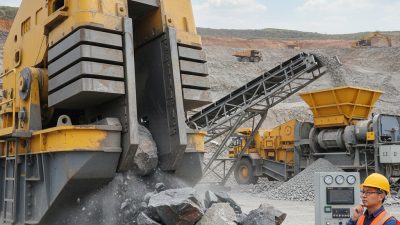
Understanding different crusher types is essential. Jaw crushers are common for hard materials, while impact crushers suit softer rocks. Each type has specific advantages and limitations. Choosing the right one involves analyzing the material characteristics, desired output size, and operational conditions. Often, companies overlook maintenance requirements, which can lead to unexpected downtime.
Moreover, the selection process can be subjective. What works well for one project may not fit another. It is important to review case studies or consult with industry experts. Testing different models in pilot projects can yield valuable insights. Balancing cost and efficiency requires careful thought. An informed choice can significantly enhance productivity and reduce long-term operational costs.
Key Factors to Consider When Selecting a Primary Crusher
When selecting a primary crusher, several key factors warrant consideration. The material type plays a crucial role. Different crushers are suited for varying materials, such as rocks, ores, or recycled aggregates. Evaluate the hardness and abrasiveness of the material. This affects wear rates and maintenance costs. Choosing the wrong type can lead to inefficiencies.
Production capacity is another important detail. Your crusher needs to align with your processing requirements. An underperforming crusher can cause delays. Measure your expected output and ensure the chosen model can meet those demands. Pay attention to the crusher's size and weight. These factors impact the installation and overall operation flexibility.
Maintenance and operability should not be overlooked, either. Frequent breakdowns can hinder productivity. Investigate the available parts and service for the crusher. A reliable supplier can make repairs more manageable. Additionally, consider energy consumption. An efficient model can lower costs long-term. Reflecting on these aspects can lead to a more informed decision.
Top 5 Tips for Choosing the Best Primary Crusher
| Criteria |
Description |
Importance Level |
| Material to Be Crushed |
Identify the type and hardness of material to ensure the crusher can handle it effectively. |
High |
| Capacity Requirements |
Determine the required throughput and choose a crusher that meets these capacity needs. |
High |
| Operating Environment |
Consider factors such as temperature, dust, and moisture that may affect the crusher's performance. |
Medium |
| Maintenance and Serviceability |
Choose a crusher that has easily accessible parts for maintenance and lower operational costs. |
Medium |
| Cost and Budget |
Assess both the initial investment and the total cost of ownership over the Crusher's life cycle. |
High |
Analyzing Material Characteristics for Optimal Crusher Selection
When selecting a primary crusher, understanding material characteristics is crucial. Every material behaves differently under stress, impacting the efficiency of the crushing process. Hardness, abrasiveness, and moisture content can influence how the crusher operates. For instance, a very hard material might require a different crushing mechanism than softer materials. Analyzing these traits helps ensure the right choice for your specific needs.
The size distribution of the material also matters. If materials are too large, the crusher may become overloaded. Conversely, overly small materials could pass through without being processed adequately. Evaluating the feed size allows you to select a crusher that optimally handles expected input. Additionally, the design of the crusher should match the expected throughput. Inefficient setups can lead to downtime and increased costs.
While it’s easy to get caught up in technical specifications, practical experience is essential. Real-world testing and feedback can reveal flaws in the initial selection. Perhaps a crusher doesn’t perform as expected due to unforeseen material variation. This iterative process of testing and feedback should not be overlooked, as it ensures that your choice remains relevant and effective over time.
Top 5 Tips for Choosing the Best Primary Crusher
Assessing Capacity and Throughput Requirements for Crushers
When selecting a primary crusher, understanding capacity and throughput is crucial. The capacity refers to the maximum amount of material a crusher can process. According to industry standards, many crushers can handle from 50 to 1,500 tons per hour. However, this range varies based on the material type and size. For example, a jaw crusher might have a throughput of about 100-400 tons per hour for hard rock.
Evaluating throughput requirements involves several factors. Material hardness affects how quickly a crusher operates. Harder materials typically require more power, reducing throughput. Additionally, the feed size plays a role. A well-graded feed leads to higher throughput. Reports show that mismatched feed size and equipment can lower efficiency by up to 30%. This inefficiency needs careful consideration when selecting a suitable crushing solution.
It's essential to conduct regular performance assessments. Crushers can wear over time, impacting throughput. Maintenance schedules should address wear rates based on the material processed. Failure to adjust settings may result in subpar performance. Understanding these dynamics enhances the decision-making process for any operation aiming for optimal crushing efficiency.
Evaluating Maintenance and Operational Costs of Primary Crushers
When selecting a primary crusher, evaluating maintenance and operational costs is crucial. According to a recent industry report, maintenance costs can account for over 30% of the total ownership costs of crushers. This statistic emphasizes the importance of choosing equipment with lower maintenance needs. Regular inspections and the quality of parts used can significantly affect these expenses.
Operational costs are another critical factor. A well-designed primary crusher can minimize energy consumption, directly impacting overall costs. For example, energy-efficient crushers have shown a reduction of up to 25% in energy use compared to less efficient models. Furthermore, downtime due to maintenance can lead to significant production losses. Industry data suggests that unplanned maintenance can cause a 5-10% decline in productivity.
Selecting the right primary crusher involves more than just initial purchase price. Long-term expenses must be carefully considered. Not all crushers are designed for durability or ease of maintenance. Some models may require frequent part replacements or specialized tools. This can lead to ongoing costs that exceed initial expectations. Therefore, prospective buyers should take these factors into account.