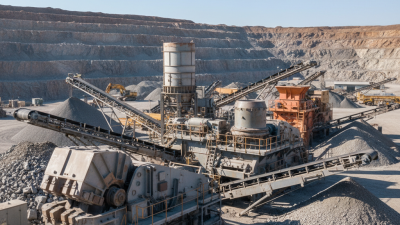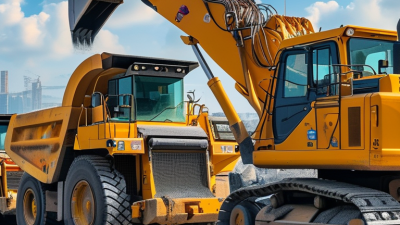
Choosing among China’s top 10 industrial crusher manufacturers requires more than comparing prices. An Industrial Crusher must match the material, capacity, feed size, and operating environment. A quarry handling hard granite needs different equipment from a recycling plant processing concrete. This distinction is easy to overlook.
This guide introduces ten established Chinese manufacturers and examines their practical strengths. It considers jaw crushers, cone crushers, impact crushers, mobile units, and complete crushing lines. The evaluation focuses on engineering experience, manufacturing quality, product range, export performance, and after-sales support. Factory certifications can help, but certificates alone do not prove dependable performance. That needs verification.
Real purchasing decisions depend on measurable details. Buyers should request test results, installation records, wearing-part specifications, and recent customer references. A reliable supplier should explain expected output, power consumption, maintenance intervals, and replacement costs. Clear drawings and a complete quotation also reveal professional working habits. Small details matter.
Site conditions matter too.
A manufacturer may offer attractive machinery but limited local service. Another may cost more while reducing downtime through faster technical support. The best choice is rarely the cheapest quotation. It is the supplier that balances performance, lifecycle cost, safety, and communication. Some rankings remain imperfect because public data can be incomplete or inconsistent. That limitation deserves honest attention. Independent testing, video inspections, and contract review can reduce uncertainty before payment and delivery. This article provides a practical starting point, not a substitute for site-specific engineering judgment.
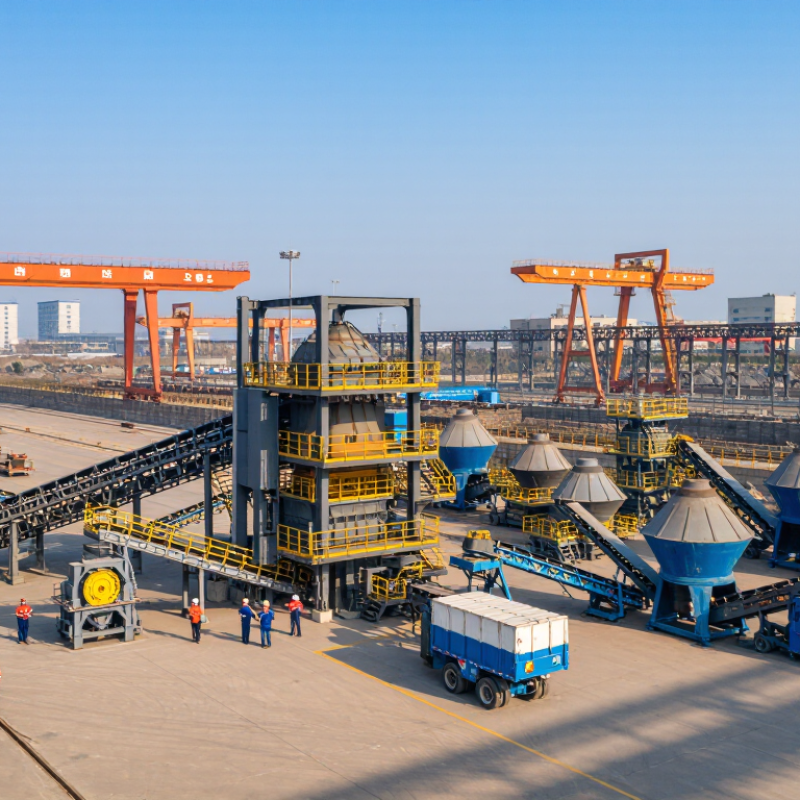
A leading industrial crusher manufacturer in China is defined by more than production volume. It combines engineering experience, controlled manufacturing, and evidence from working sites. Engineers should understand feed hardness, moisture, abrasiveness, and required output before recommending equipment. They should request drawings, capacity targets, and discharge specifications. Good advice begins with questions. Not slogans.
Manufacturing reliability appears in small details. Materials should have traceable certificates and verified chemical properties. Welds need documented inspections, especially around high-stress frames. Rotors, shafts, and flywheels require accurate balancing. Wear parts should match the expected stone characteristics. Factory acceptance tests can reveal vibration, temperature, and noise problems before shipment. Small details matter. However, paperwork alone cannot prove field performance. Independent test data, clear quality procedures, and realistic production figures provide stronger evidence.
A credible manufacturer also supports the machine after installation. Ask about commissioning, operator training, spare-part availability, response times, and warranty conditions. Technical teams should explain maintenance intervals in practical terms. For example, they might identify inspection points around bearings, liners, and conveyor connections. Ask for failure records, not only success stories. No supplier gets every decision right. Honest manufacturers can describe design limits, unsuitable materials, and previous improvements. That transparency often reflects deeper expertise than polished promises. A site visit or supervised trial can still challenge the original recommendation.
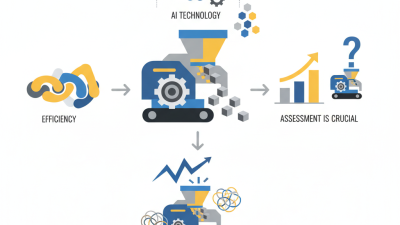
Reduction ratio is a practical technical indicator when evaluating crusher designs. The ranges below are commonly used engineering reference values; actual performance depends on feed size, material hardness, moisture, chamber design, and operating conditions.
A reliable manufacturer should provide verified capacity data, documented reduction-ratio performance, suitable material testing, wear-part support, safety compliance, and lifecycle service rather than relying on product claims alone.
China’s top ten industrial crusher manufacturers are better judged by capability than by advertising reach. A strong supplier should design jaw, cone, impact, or gyratory systems for specific feed sizes and material hardness. Factory capacity matters too. Look for heavy steel fabrication, controlled welding, machining accuracy, and documented assembly procedures. These details affect service life in dusty quarries and continuous production lines.
The strongest manufacturers usually fall into several capability groups. Some excel at high-capacity primary crushing, handling large rocks above 1,000 millimeters. Others focus on secondary cone crushing, producing stable aggregates with tight gradation. Several provide mobile plants, which reduce foundation work and support changing mine layouts. More advanced suppliers integrate feeders, screens, dust control, automation, and remote monitoring. Spare-part availability is equally important. A crusher stopped for six days can cost more than a cheaper purchase saves.
A practical evaluation should include factory audits, sample test reports, and references from similar materials. Ask for actual throughput, power use, liner life, and maintenance intervals. Do not trust capacity figures without feed conditions. They can change sharply with moisture and rock shape. I have found that commissioning support often reveals more than brochures. The best teams explain limits clearly, but some suppliers still overpromise. That deserves scrutiny. Check warranty terms, operator training, export documentation, and response times before signing. Capability is not only machine size. It is repeatable performance after installation.
When comparing China’s top industrial crusher manufacturers, start with the material, not the catalog.
Jaw crushers suit primary crushing of hard, large feed. Cone crushers deliver consistent aggregates after primary reduction. Impact crushers can produce better-shaped particles, especially with softer or moderately abrasive rock. For very large plants, gyratory designs may offer stable primary capacity.
Numbers need context. A machine rated at 500 tonnes per hour may achieve less with wet feed, sticky clay, or excessive fines. Compare maximum feed size, closed-side setting, reduction ratio, and actual hourly output.
Request test results using material similar to your own. A clear sample of 80 millimeters is more useful than a general capacity claim. Check whether capacity is measured before or after screening.
Technology also affects operating confidence. Variable-speed drives can adjust crushing action as feed conditions change. Hydraulic protection may reduce damage from uncrushable material. Remote monitoring can track vibration, temperature, and power use, but it cannot replace skilled inspections.
Examine liner life, replacement time, dust control, and access around the machine. These details influence total production more than a low purchase price.
In field comparisons, I have seen plants select larger crushers than necessary and lose efficiency at low loading. That matters. Leave practical capacity margin, but question every assumption. A neat spreadsheet can still mislead. Test it first.
China Top 10 Industrial Crusher Manufacturers: How to Choose?
Choosing an industrial crusher requires more than comparing capacity figures or factory photos. Check the steel grade, weld quality, bearing protection, and rotor balance. Ask for inspection records, test reports, and clear performance data from similar materials. A reliable manufacturer should explain expected output, feed size, moisture limits, and maintenance intervals without making vague promises. Request a video or live factory inspection when possible. Real production evidence matters.
Safety deserves equal attention. Confirm that the crusher includes guards, emergency stops, lockout points, overload protection, and safe access for cleaning. Dust control and noise reduction should match your site conditions. Ask whether the design follows recognized industrial safety standards in your country. Documentation should include drawings, operating instructions, risk warnings, and spare-parts lists. Small omissions can create large problems. No checklist is perfect.
Tips: Test service before signing. Send technical questions and measure the response time and accuracy. Ask for installation guidance, operator training, troubleshooting support, and warranty terms in writing. Check whether critical parts are available locally or shipped with predictable lead times. Speak with existing users, but remember that one positive reference cannot prove consistent quality. A low purchase price may become expensive after repeated downtime. Leave room for honest doubt, and compare evidence rather than confident sales language.
| Evaluation Factor | Suggested Weight | What Buyers Should Check | Objective Evidence or Acceptance Data | Warning Signs |
|---|---|---|---|---|
| 1. Crushing Performance | 15% | Confirm the crusher type, feed opening, maximum feed size, closed-side setting, discharge range, and material characteristics. Check whether the proposed machine is suitable for the required hardness, abrasiveness, moisture, and reduction ratio. |
Application-specific datasheet Capacity stated in tonnes per hour for the buyer’s actual material and product size. Require test results or a properly documented reference case using comparable feed conditions. |
Capacity is quoted without feed size, product size, material density, or operating conditions. |
| 2. Product-Size Accuracy | 10% | Evaluate product gradation, percentage passing the target size, setting adjustment method, and the effect of liner wear on final particle size. | Laboratory sieve-analysis reports, commissioning results, and a defined product-size tolerance. The test method and sample size should be recorded. | Only a nominal outlet size is provided, with no particle-size distribution or wear allowance. |
| 3. Structural and Mechanical Quality | 12% | Review frame design, shaft or rotor material, weld procedures, balancing method, bearing arrangement, fastening system, and protection against dust and contamination. | Material certificates where specified, approved engineering drawings, weld procedure records, non-destructive testing records when required, and a documented factory inspection plan. | No traceability for critical components, undocumented design changes, or unexplained differences between drawings and the delivered machine. |
| 4. Wear-Part Life and Availability | 10% | Compare expected liner, blow-bar, jaw-plate, mantle, concave, or other wear-part life under the buyer’s actual feed conditions. Check replacement time, interchangeability, and stock arrangements. | Wear-part material specification, expected operating hours or tonnes processed, replacement procedure, spare-part list, and written lead-time commitments. | Wear life is stated as a guaranteed number without defining material abrasiveness, feed gradation, operating setting, or moisture. |
| 5. Safety Engineering | 14% | Check guarding of moving parts, emergency stops, lockout/tagout provisions, access platforms, inspection doors, maintenance clearances, stored-energy controls, and warning labels. | Machinery risk assessment, safety-related drawings, operating and maintenance manuals, emergency-stop verification, and applicable conformity documentation. IEC 60204-1 may apply to the electrical equipment of machinery; applicability should be confirmed for the project. | Missing guards, inaccessible emergency stops, unclear isolation points, or safety features described only verbally. |
| 6. Quality Management | 10% | Assess control of incoming materials, dimensional inspection, assembly checks, calibration, nonconformance handling, corrective actions, and final testing. | A current ISO 9001 certificate from an accredited certification body can support the review, but it should be supplemented with inspection and test records for the specific order. | A certificate is supplied but there is no project-specific inspection plan, test record, or control of outsourced components. |
| 7. Electrical and Control System | 8% | Verify motor rating, voltage and frequency, protection class, control-panel arrangement, instrumentation, interlocks, overload protection, remote monitoring, and compatibility with the site power system. | Approved electrical schematics, motor and control-panel data, protection settings, short-circuit ratings where relevant, cable schedules, PLC or control-system backups, and commissioning records. IEC 60529 defines IP enclosure ratings. | Electrical details are left for shipment, control logic is not documented, or replacement components are not identified by specification. |
| 8. Energy, Noise, Dust, and Environmental Performance | 7% | Compare installed power, specific energy consumption where available, noise controls, dust-enclosure provisions, water-spray or extraction interfaces, and operating temperature limits. | Motor power data, measured noise data with test conditions, dust-control interface drawings, environmental operating limits, and an environmental management certificate such as ISO 14001 when relevant to supplier evaluation. | Energy or noise claims have no measurement conditions, or dust control is excluded even though the application produces respirable dust. |
| 9. Installation and Commissioning Service | 6% | Confirm foundation loads, lifting points, installation drawings, utilities, alignment requirements, commissioning scope, operator training, and performance-test procedures. | General-arrangement drawings, foundation-load data, installation method statement, commissioning checklist, training agenda, and signed performance-acceptance criteria. | The supplier provides equipment only, with no defined responsibility for installation, start-up, training, or acceptance testing. |
| 10. Warranty, Response, and Lifecycle Support | 8% | Review warranty duration and exclusions, response time, remote troubleshooting, local service coverage, spare-parts availability, software support, and planned-maintenance guidance. | Contractual warranty terms, service-level agreement, escalation contacts, spare-parts price list, recommended-maintenance schedule, service records, and documented response-time commitments. | Warranty terms exclude most wear-related or commissioning issues, and service response is not defined by time or responsibility. |
Choosing the right Chinese crusher manufacturer requires more than comparing catalog prices. The USGS Mineral Commodity Summaries 2024 estimates U.S. crushed-stone production reached about 1.5 billion metric tons in 2023. This scale makes uptime, feed consistency, and wear-part supply critical project controls. Ask each manufacturer for verified capacity at your actual feed size, moisture level, and rock hardness.
Request a sample crushing test. Measure product gradation, power consumption, noise, and discharge temperature. Grand View Research valued the global stone-crushing equipment market at approximately 5.55 billion dollars in 2022. Its forecast also indicates continued growth through 2030. A factory with ISO 9001 certification, documented welding procedures, and traceable component records deserves closer review. Certification alone is not enough. Audit the workshop, inspect machining accuracy, and speak with recent overseas customers.
Check the service plan before signing. Confirm spare-part drawings, response times, commissioning support, and remote troubleshooting. Calculate total ownership cost over five years, including liners, transport, labor, electricity, and downtime. A low quotation can still become expensive. One overlooked detail is local electrical compatibility. Another is the availability of skilled operators. Project assumptions often look clean on paper, but quarry dust, irregular feeding, and seasonal moisture can change performance sharply. Require a written acceptance test with measurable limits, not broad promises. Review the contract carefully. Voices from the production floor sometimes reveal more than a polished sales presentation.