2026 How to Choose the Right Industrial Crusher for Your Needs?
Choosing the right industrial crusher can significantly impact production efficiency and cost-effectiveness. According to Dr. James Thompson, a leading expert in materials processing, “Selecting the right crusher is essential for maximizing output and minimizing waste.” His insight highlights the importance of informed decision-making in this industry.
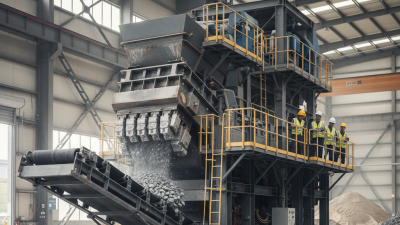
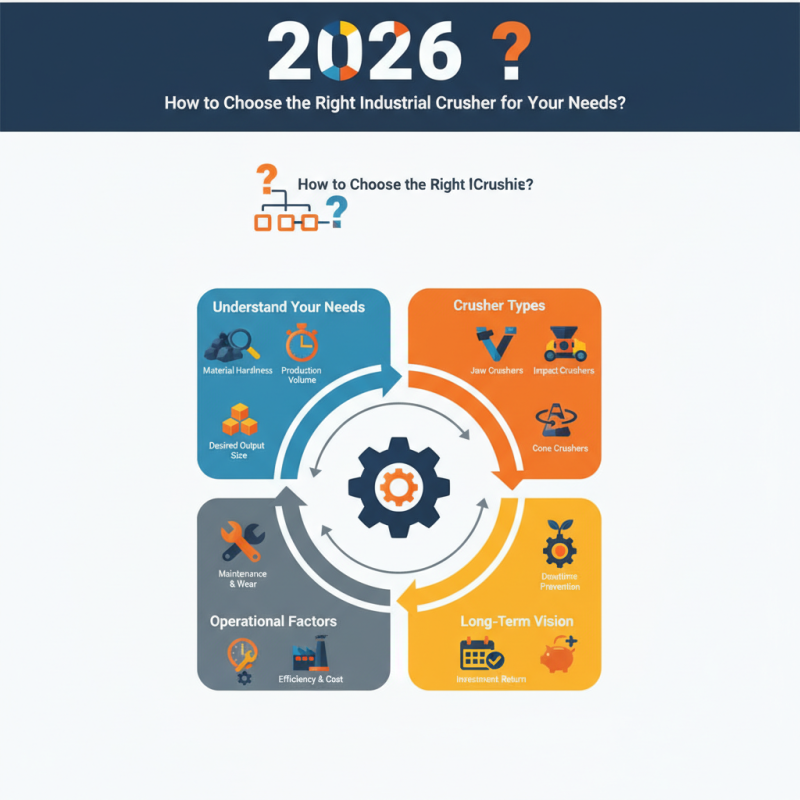
In a marketplace filled with options, understanding your specific needs is crucial. Industrial crushers come in various designs and sizes. Each type serves different functions based on the material and intended outcome. For instance, jaw crushers are known for their ability to handle hard materials, while impact crushers excel in producing finer aggregates.
Moreover, operators often overlook the maintenance and wear aspects of these machines. This neglect can lead to unexpected downtime. Therefore, choosing an industrial crusher that aligns with your operational demands and maintenance capabilities is vital. Reflecting on the long-term implications fosters more informed choices.
Understanding the Different Types of Industrial Crushers
When choosing an industrial crusher, understanding the various types is crucial. There are several categories, such as jaw crushers, cone crushers, and impact crushers. Each type serves different purposes. For instance, jaw crushers excel in primary crushing, while cone crushers are better for secondary and tertiary crushing. According to a 2022 market report by Global Industry Analysts, cone crushers account for over 27% of the market share due to their efficiency and versatility.
Different materials require different crushing techniques. Jaw crushers are ideal for hard materials like granite, while impact crushers work well for softer materials, such as limestone. A study by TechSci Research suggests that the global demand for impact crushers is expected to grow at a rate of 6% by 2026. This growth reflects the engineering focus on optimizing crushing designs for specific materials. However, improper selection can lead to high maintenance costs or inadequate output.
It’s essential to consult with experts in the field. They can provide insights based on your specific needs and material types. While data and reports guide the decision, each project may present unique challenges. Evaluating operational costs and anticipated ROI will aid in achieving the best long-term investment. It's wise to reflect on past decisions and learn from them.
2026 How to Choose the Right Industrial Crusher for Your Needs?
| Crusher Type |
Material Suitability |
Capacity (ton/hour) |
Typical Applications |
| Jaw Crusher |
Hard and brittle materials |
50-150 |
Mining, metallurgy, construction |
| Cone Crusher |
Medium to hard materials |
36-300 |
Crushing rocks, stone, gravel |
| Impact Crusher |
Soft to medium materials |
30-500 |
Concrete, asphalt, rocks |
| Hammer Mill |
Soft materials, biomass |
10-40 |
Feed, recycling, wood processing |
| Roller Crusher |
Medium-hard materials |
10-50 |
Mining, cement, ceramics |
Assessing Your Material Characteristics for Crusher Selection
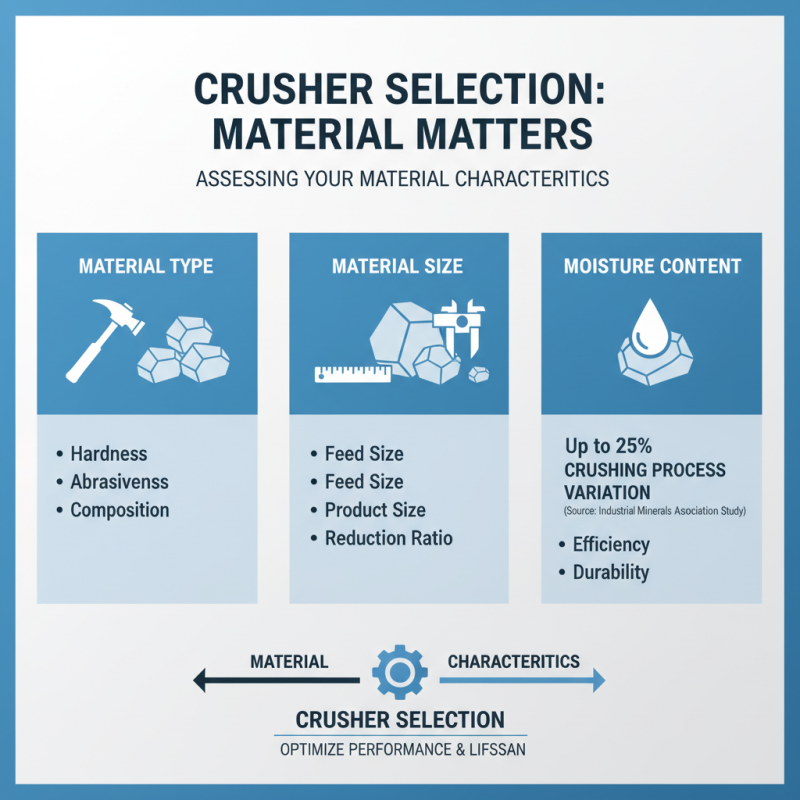
When selecting an industrial crusher, understanding your material's characteristics is crucial. Material type, size, and moisture content significantly influence the choice of crusher. For instance, a study by the Industrial Minerals Association found that the moisture content can alter the crushing process by up to 25%. This variation impacts both the efficiency and durability of the crusher chosen.
Additionally, the hardness of the material plays a pivotal role. Softer materials like gypsum may require less powerful machinery compared to harder materials like granite. According to a report by the Global Industrial Crusher Market, choosing the appropriate machine based on material properties can lead to a reduction in operational costs by approximately 30%.
You may face challenges when analyzing your materials. Not every facility has access to accurate testing methods. Ensuring representative samples can be difficult. This uncertainty can lead to suboptimal crusher selection, affecting productivity. Many operators have overlooked this aspect, resulting in increased downtime and maintenance. Balancing these factors is essential for optimizing your choice in industrial crushers.
Evaluating Capacity and Efficiency Requirements for Your Operation
Choosing the right industrial crusher is essential for meeting your production needs. Evaluating capacity and efficiency is critical for optimizing operations. According to industry reports, optimizing crusher capacity can improve overall productivity by 20-30%.
When assessing your operation's needs, consider the type of material you will be processing. Harder materials may require a more robust model, while softer materials can use more versatile crushers. Efficiency metrics often hinge on the ratio of input to output, with many modern crushers achieving efficiencies above 85%. This figure is not absolute; performance can vary based on material characteristics and operational conditions.
Scrutinizing your volume requirements is vital. For instance, if you're handling 50 tons per hour, selecting a crusher with a matching throughput is crucial to avoid bottlenecks. Many plants find that miscalculating these needs can lead to increased downtime. Such mistakes underscore the importance of aligning equipment choices with production goals. Each operation is unique; careful evaluation is essential to avoid costly missteps.
Considering Maintenance and Durability in Crusher Choices
Choosing the right industrial crusher involves more than just specifications. Maintenance plays a crucial role in your decision. A durable crusher reduces downtime and repair costs over time. Look for models designed with easy access to components. This will simplify routine checks and repairs.
Durability is key. Materials used should withstand heavy use. Check for wear-resistant parts and overall build quality. Consider how often you will operate the crusher. If it’s frequent, investing in higher durability may be wise. Some machines can be reliable but may still need frequent maintenance. Reflect on the trade-offs between cost and longevity. A cheaper option may end up costing more in repairs.
Think about the environment where the crusher will operate. Will it face extreme conditions? Dust and moisture can impact performance. Understanding your specific needs can lead to better choices. Take time to evaluate different options. This could save you money and headaches in the long run.
Cost Analysis: Balancing Budget with Crusher Performance Needs
Choosing the right industrial crusher involves careful cost analysis. A balance between
budget and performance is essential for effective operations.
Industry reports show that equipment costs can range significantly. A basic model may start around
$10,000, while advanced machines can exceed
$100,000. Understanding your needs is crucial before making an investment.
Performance needs can vary based on material types and processing volumes. The data indicates that companies often
underestimate maintenance costs. These can reach 20% of the
initial purchase price annually. If overlooked, high maintenance can lead to increased downtime.
Short-term savings on cheaper models can backfire in the long run.
Consider your production goals. If you require high throughput, investing in a
powerful crusher may be wise. Yet, ensure it aligns with your budget constraints.
Sizing and machine capabilities must match your operations to avoid inefficiencies. Feedback from industry specialists
often highlights the importance of a thorough evaluation. Misjudging performance needs
can result in costly mistakes.