How to Choose the Best Mining Crusher for Your Operation
Choosing the right mining crusher is critical for operational success. According to a report by the International Journal of Mining and Mineral Engineering, around 45% of mining projects report inefficiencies related to unsuitable crusher types. Selecting a mining crusher can dramatically impact productivity and costs.
Expert in the field, Dr. James Thornton, states, “The right crusher not only increases efficiency but also enhances safety in mining operations.” His insights underline the importance of making informed choices. Mining crushers vary greatly in design and functionality. Understanding your specific requirements is essential for optimizing performance.
It's easy to overlook key factors like material characteristics and site conditions. Many operations may rush the selection process, which can lead to costly mistakes. A thorough evaluation of the many available mining crushers is necessary to avoid pitfalls and ensure streamlined extraction processes. Emphasizing quality over quantity can prevent long-term damage and inefficiencies in mining operations.
Understanding the Basics of Mining Crushers and Their Types
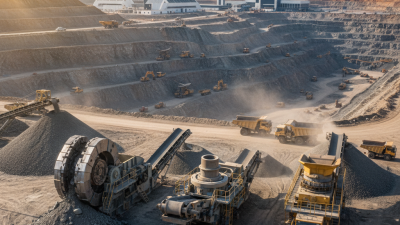
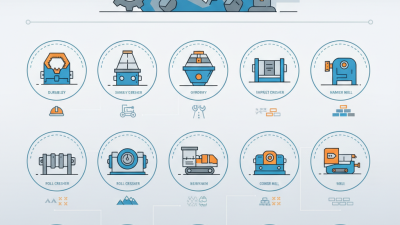
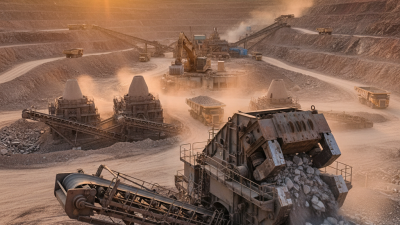
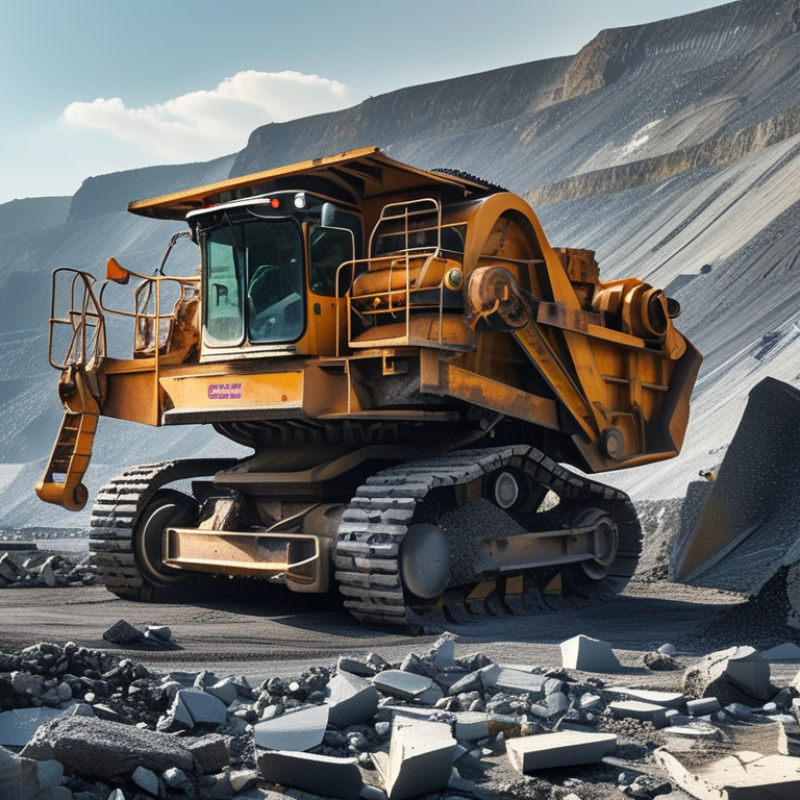
Mining crushers are essential for extracting minerals and aggregates from the earth. Understanding the different types of crushers can help you make an informed choice. Jaw crushers are popular for their robust design and ability to handle large rocks. They crush materials by compressing them between two jaw plates.
Cone crushers, on the other hand, are ideal for secondary and tertiary crushing. They provide a finer product size and are effective for hard materials. Impact crushers offer versatility, handling a range of materials. These crushers use high-speed impact forces to break rocks into smaller pieces.
Selecting the right crusher depends on your specific operations. Factors like material type, size, and production goals play a critical role. Don’t overlook maintenance needs and operational costs. Your choice affects overall efficiency and profitability. Without proper research, you risk choosing an unsuitable model. Reflect on your operational requirements before making a decision.
How to Choose the Best Mining Crusher for Your Operation
| Crusher Type |
Best Use Cases |
Output Size (mm) |
Capacity (t/h) |
Cost Range (USD) |
| Jaw Crusher |
Primary crushing of large rocks |
100-150 |
50-200 |
10,000 - 50,000 |
| Cone Crusher |
Secondary crushing, medium to hard materials |
10-45 |
45-600 |
15,000 - 100,000 |
| Impact Crusher |
Shaping rock and aggregate |
5-50 |
30-800 |
20,000 - 80,000 |
| Hammer Crusher |
Crushing soft to medium hard materials |
20-100 |
20-50 |
8,000 - 40,000 |
| Roller Crusher |
Crushing hard and abrasive material |
10-40 |
100-700 |
12,000 - 60,000 |
Assessing Your Mining Operation's Specific Needs and Requirements
When selecting a mining crusher, it’s crucial to evaluate your operation’s unique requirements. Various factors influence this choice. The type of material to be processed is a key consideration. Different materials, such as granite or limestone, require different crushing techniques. According to a report by the U.S. Geological Survey, limestone production in the U.S. increased by 3% in 2022. This surge highlights the need for effective crushing technologies tailored to specific rock types.
It’s also important to assess the production capacity. For example, an operation requiring 1,500 tons of crushed material daily must choose a machine capable of meeting that demand. The investment in a crusher with insufficient capacity can lead to operational bottlenecks. Additionally, maintenance costs play a role in the selection process. A report from the International Journal of Mining Science and Technology indicates that proper maintenance can reduce operational downtime by 25%. This statistic underscores the importance of factoring in long-term maintenance when choosing a crusher.
Understanding these specific needs ensures that you select a crusher that aligns well with your operational goals. However, many operations overlook the importance of thorough needs assessment. Failing to do so can lead to significant financial repercussions. Consider both immediate and long-term operational demands before making a decision.
Mining Crusher Throughput Comparison
This chart illustrates the throughput of different types of mining crushers analyzed for optimizing operational efficiency. As evident, the Cone Crusher has the highest throughput at 300 tons/hour, which may be ideal for large-scale operations, while the Hammer Crusher's lower throughput suggests it might be more suitable for specific smaller tasks.
Key Features to Look for in a Quality Mining Crusher
Choosing the right mining crusher is crucial for operational efficiency. Look for specific features that indicate quality and reliability. A good mining crusher should have durable construction. Materials like high-strength steel are essential. These materials ensure a longer lifespan, reducing the need for frequent replacements.
Tips: Always consider the crusher's capacity. It should match your production needs. Evaluate the size of the feed opening. A larger opening allows for more efficient operation. Don't overlook the power requirements, as they impact energy costs significantly.
Another critical feature is the crushing efficiency. Analyze the technology used in the crushing process. Advanced designs maximize output while minimizing energy use. However, some models may not perform as expected under specific conditions.
Tips: Research user reviews to understand real-world performance. Presence of service support is also vital for maintenance. Be cautious of hidden costs in repairs. It's important to balance upfront investment with long-term operational costs. Choosing a mining crusher is indeed a thoughtful process, requiring careful consideration and planning.
Evaluating Cost-Effectiveness and Return on Investment
When selecting a mining crusher, evaluating cost-effectiveness and return on investment is crucial. According to a report by the International Journal of Mining Engineering, operational costs for crushers can take up to 30% of overall production budgets. Therefore, understanding the lifecycle costs is essential for any mining operation. This includes purchase price, maintenance expenses, and energy consumption.
A well-chosen mining crusher can significantly reduce downtime. Data suggests that reducing downtime by just 10% can increase annual profits by 20% or more. However, initial costs should be balanced with long-term benefits. Many operations underestimate how maintenance factors into total expenses.
Investing in a high-quality crusher may seem costly upfront. However, the right choice often leads to better efficiency and fewer breakdowns. Make sure to gather data from multiple suppliers to accurately compare. Consider the total cost over a five to ten-year period. Good decisions now can prevent regret later.
Importance of Maintenance and Support in Crusher Selection
Choosing the right mining crusher involves more than just specifications. The importance of maintenance cannot be overstated. A well-maintained crusher offers reliability and efficiency. Regular check-ups keep operational costs low. This critical aspect often gets overlooked. Yet, it can significantly impact production outputs.
Support is equally vital in the selection process. A crusher's manufacturer should provide robust after-sales services. This includes access to technical assistance and spare parts. Delays in maintenance can lead to unexpected shutdowns. These interruptions affect productivity and profits. Think about the long-term performance of the crusher.
Develop a relationship with your supplier. Regular communication ensures that you are updated on the latest maintenance practices. Consider the complexity of the machinery. If you struggle to find support, it may indicate a risk. Investing in a crusher is a big decision. Factor in reliability and support in your choice.